

$185.00

Trade namesKetalar, others
Other namesCI-581; CL-369; CM-52372-2[1]
AHFS/Drugs.comMonograph
License data
  • US DailyMed: Ketamine
Pregnancy
category
  • AU: B3[2]
Addiction
liability
Moderate–high[3][4]
Routes of
administration
Any[5][6][7][8]
Drug classNMDA receptor antagonist; general anesthetic; dissociative hallucinogen; analgesic; antidepressant
ATC code
  • N01AX03 (WHO)

Ketamine Hydrochloride (HCl)

Overview

Ketamine hydrochloride is a dissociative anesthetic used in clinical settings for anesthesia and certain treatment-resistant conditions under strict medical supervision. It is a controlled, prescription-only medication with tightly regulated use.


Medical Classification

  • Active ingredient: Ketamine hydrochloride
  • Drug class: Dissociative anesthetic
  • Administration (clinical settings): Intravenous (IV), intramuscular (IM); other forms used only in approved medical contexts
  • Regulatory status: Controlled substance in many jurisdictions

Approved Medical Uses

In licensed healthcare settings, ketamine may be used for:

  • Induction and maintenance of anesthesia
  • Procedural sedation and analgesia
  • Treatment-resistant depression (in specialized programs and regulated formulations)

Use is determined by qualified clinicians and follows strict protocols.


How It Works

Ketamine primarily acts as an NMDA receptor antagonist, affecting glutamate signaling in the brain. This leads to:

  • Rapid onset of anesthesia and analgesia
  • Altered perception and dissociation
  • In specific protocols, fast-acting antidepressant effects

Safety and Risks

Common Effects

  • Drowsiness or dizziness
  • Elevated heart rate and blood pressure
  • Nausea or vomiting
  • Perceptual changes during recovery

Serious Risks

  • Respiratory complications (especially with other sedatives)
  • Severe confusion or agitation
  • Cardiovascular stress
  • Potential for misuse, dependence, and tolerance

Immediate medical care is required for severe adverse reactions.


Warnings and Precautions

  • Use only under professional medical supervision
  • Not appropriate for individuals with certain cardiovascular or psychiatric conditions without specialist evaluation
  • Interactions with other sedatives (e.g., opioids, benzodiazepines) can increase risk
  • Non-medical use carries significant health and legal risks

Legal and Regulatory Status

Ketamine is classified as a controlled substance in many countries. Possession, distribution, or use outside authorized medical channels may be illegal.

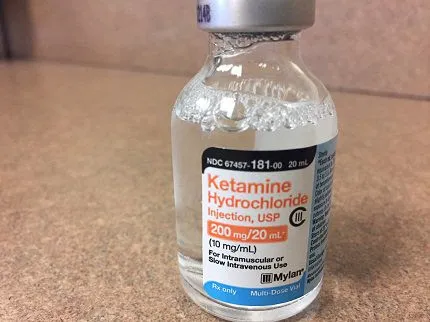

Handling and Storage (Clinical Context)

  • Managed by licensed healthcare providers or pharmacies
  • Stored according to regulatory standards for controlled medicines
  • Access restricted to authorized personnel

Quality and Authenticity

  • Source only through licensed healthcare providers or pharmacies
  • Avoid unverified or illicit sources due to contamination and safety risks