
$203.00

Drug Content and Potency
  • Lethal Dosage: As little as 2 milligrams of fentanyl is considered a lethal dose for most people, equivalent to 10-15 grains of table salt.
  • Illicit Concentration: Street fentanyl powder is not standardized. Testing by the DEA has found that 42% of pills tested for fentanyl contained at least 2 mg, a potentially fatal amount.
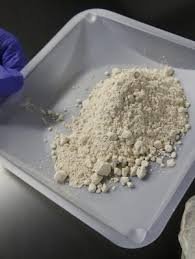
  • Appearance: Illicit fentanyl often appears as a white, light yellow, or beige granular or crystalline powder. It is sometimes found in bright, candy-like colors (“rainbow fentanyl”).
  • Contamination: Fentanyl powder is commonly used to contaminate or cut other street drugs, including heroin, cocaine, and methamphetamine, to increase their potency.
  • Adulterants: It is often mixed with other dangerous substances, such as xylazine, which is a veterinary tranquilizer that increases the risk of fatality and causes severe skin wounds. [1, 2, 3, 4, 5]

   Fentanyl powder

Fentanyl is a highly potent synthetic opioid used in clinical settings for severe pain management and anesthesia. It is available only in strictly controlled, approved medical formulations (such as transdermal patches, lozenges, or injectable forms). Fentanyl is not safe to handle or use outside licensed medical environments, and unauthorized forms present extreme danger.


Medical Classification

  • Active ingredient: Fentanyl
  • Drug class: Opioid analgesic
  • Common medical forms: Transdermal patch, injectable solution, buccal/lozenge formulations
  • Regulatory status: Highly controlled prescription medication

Approved Medical Uses

In licensed healthcare settings, fentanyl may be used for:

  • Management of severe, chronic pain (e.g., cancer-related pain)
  • Anesthesia and surgical procedures
  • Pain control in patients already tolerant to other opioids

Use is determined and closely monitored by qualified healthcare professionals.


How It Works

Fentanyl binds to mu-opioid receptors in the brain and spinal cord, which:

  • Produces strong pain relief
  • Causes sedation and relaxation
  • Slows breathing and central nervous system activity

Because of its potency, even very small amounts can have powerful effects.


Risks and Adverse Effects

Common Effects (Medical Use)

  • Drowsiness
  • Nausea or vomiting
  • Constipation
  • Dizziness

Serious Risks

  • Respiratory depression (life-threatening)
  • Loss of consciousness
  • Extreme sedation
  • High risk of overdose and death, especially without medical supervision

Risk increases significantly when combined with alcohol, benzodiazepines, or other depressants.


Dependence and Misuse Risk

  • High potential for addiction and dependence
  • Rapid tolerance development
  • Severe withdrawal symptoms

Unauthorized use is a major contributor to overdose incidents worldwide.


Critical Safety Warnings

  • Never use outside medical supervision
  • Unregulated forms (e.g., powders) may be extremely dangerous and unpredictable
  • Even minimal exposure can pose a risk in non-clinical settings
  • Accidental exposure can be life-threatening

Legal and Regulatory Status

Fentanyl is a strictly controlled substance in most countries. Possession or distribution outside authorized medical channels is illegal and subject to severe penalties.


Handling and Storage (Clinical Context)

  • Managed only by licensed healthcare providers
  • Stored under strict regulatory controls
  • Access limited to authorized personnel

Public Health Considerations

  • Frequently involved in overdose emergencies due to its potency
  • Often found in illicit drug supplies, increasing risk unknowingly
  • Requires strong awareness of overdose signs and emergency response