Price range: $160.00 through $1,300.00

Physical Appearance & Characteristics
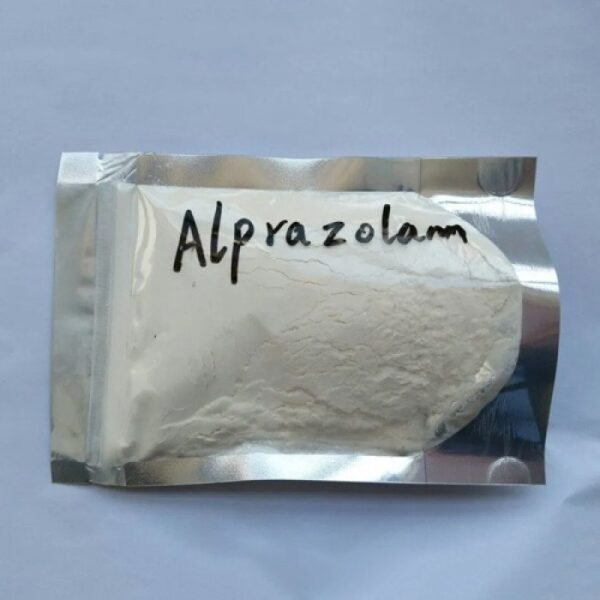
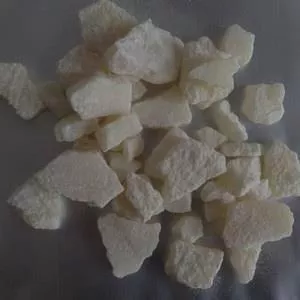
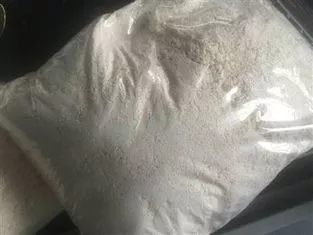
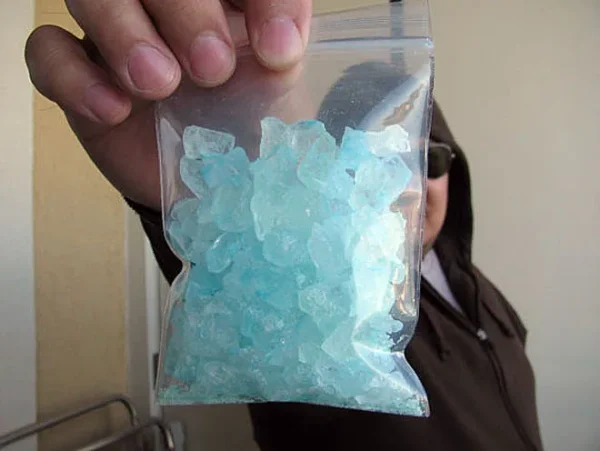
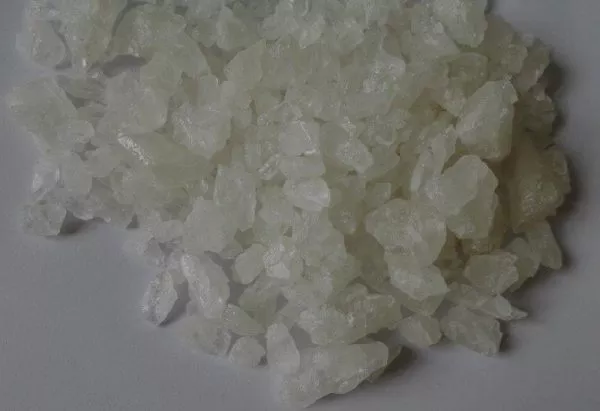
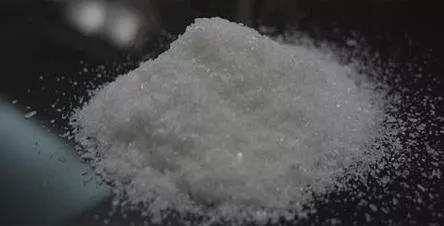
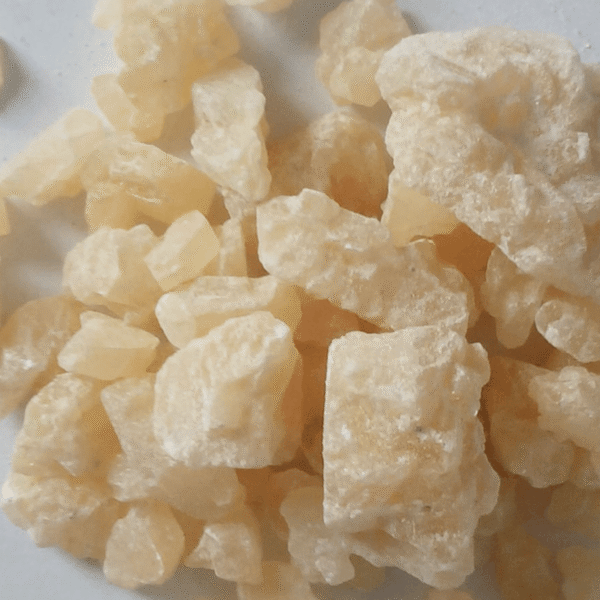
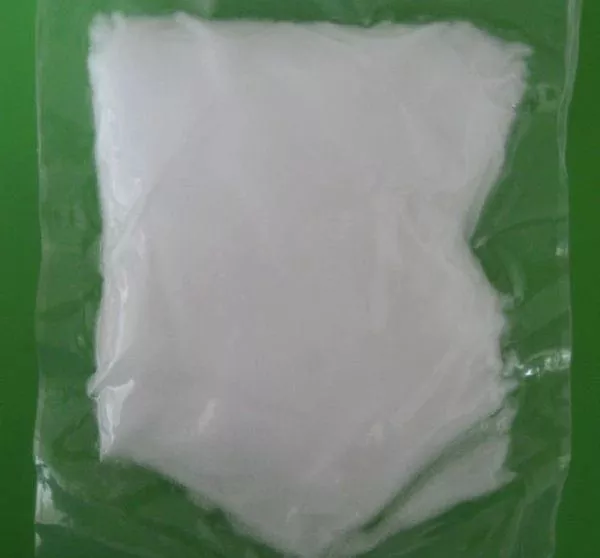
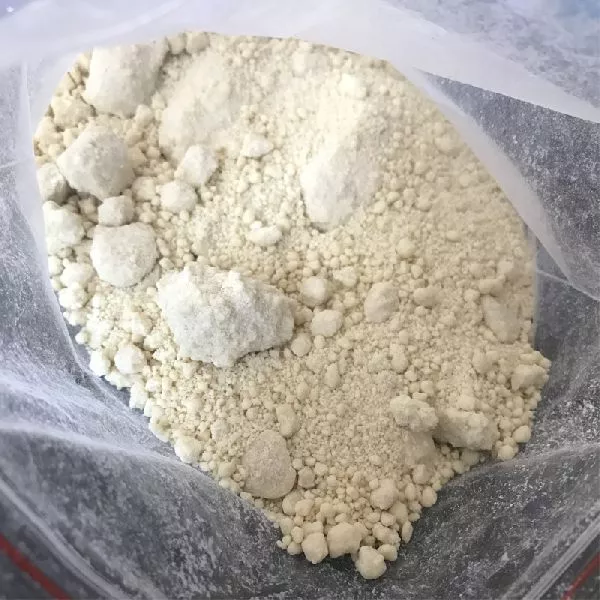
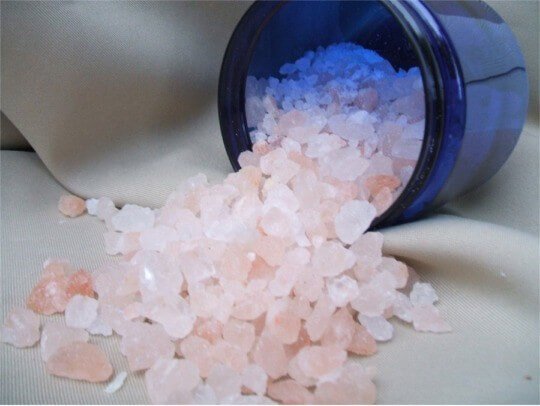
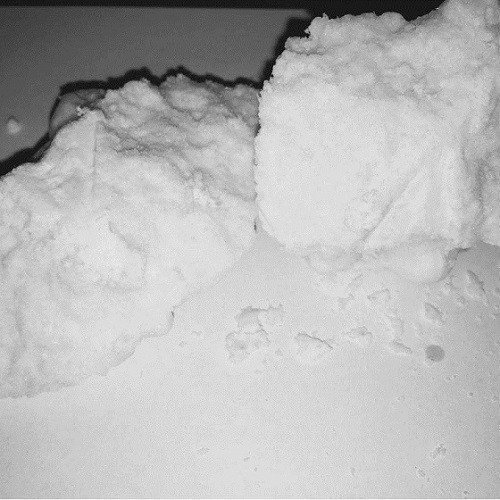
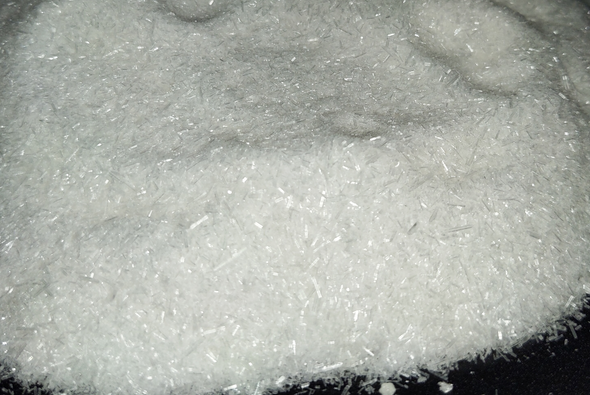
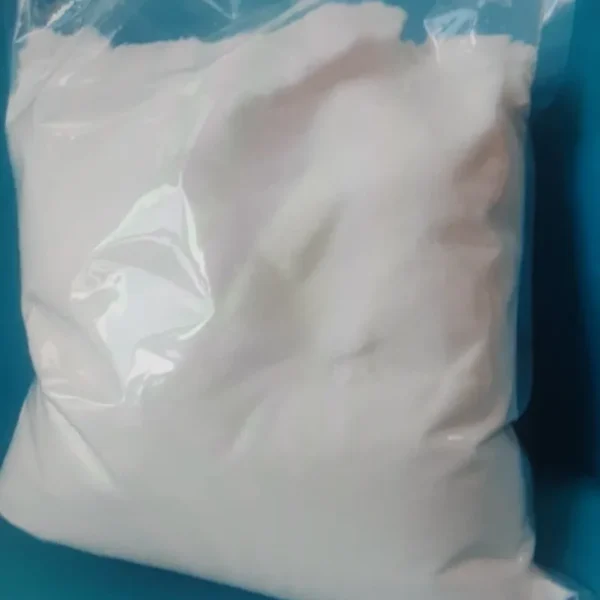
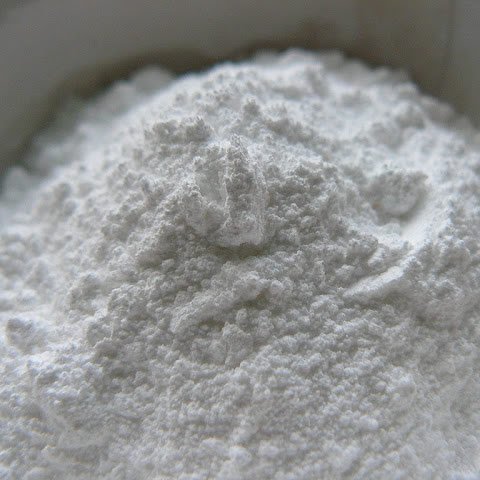
    • Color: Ranging from white to off-white, yellowish, grey, or pink.
    • Texture: It can be a fine powder, coarse powder, or a moist, putty-like substance (often called “paste” or “base”).
    • Smell: Often described as “fishy” or like ammonia. [1, 2, 3, 4, 5]

Purity Levels
Illicit amphetamine powder is generally quite low in purity, often containing less than 15% to 20% actual amphetamine sulfate. [1, 2]

                    Amphetamine powder

Amphetamine refers to a class of prescription medications that stimulate the central nervous system. These medicines are used under strict medical supervision to treat specific conditions such as attention-deficit/hyperactivity disorder (ADHD) and narcolepsy.


Medical Classification

  • Drug class: Central nervous system (CNS) stimulant
  • Regulation: Controlled substance in many countries
  • Availability: Prescription-only; not sold over the counter

Unregulated forms sometimes described online as “powder” are not standardized pharmaceutical products and may be unsafe.


Approved Medical Uses

Prescription amphetamines are used for:

  • ADHD (Attention-Deficit/Hyperactivity Disorder): Improves focus, attention, and impulse control
  • Narcolepsy: Helps manage excessive daytime sleepiness

Examples of regulated medications include:

  • Adderall
  • Dexedrine

How Amphetamines Work

Amphetamines increase the levels of neurotransmitters such as dopamine and norepinephrine in the brain. This leads to:

  • Enhanced alertness and concentration
  • Improved cognitive performance (in clinical use)
  • Increased wakefulness

Forms and Pharmaceutical Standards

Legitimate amphetamine medications are available as:

  • Tablets
  • Capsules
  • Extended-release formulations

Any substance marketed as “amphetamine powder” outside regulated pharmaceutical channels is:

  • Not quality-controlled
  • Not medically approved
  • Potentially dangerous

Health Risks and Side Effects

Common Side Effects

  • Increased heart rate
  • Insomnia
  • Dry mouth
  • Loss of appetite

Serious Risks

  • High blood pressure
  • Cardiovascular complications
  • Anxiety or agitation
  • Risk of dependence and misuse

Long-Term Risks

  • Addiction
  • Mental health effects
  • Neurological complications

Legal Status

Amphetamines are classified as controlled substances in many regions. Unauthorized possession, distribution, or purchase may lead to:

  • Criminal penalties
  • Legal prosecution
  • Confiscation of substances

Warnings and Precautions

  • Use only under medical supervision
  • Not suitable for individuals with certain heart conditions
  • Avoid combining with alcohol or other stimulants
  • High potential for misuse and dependence

Safe Use Guidelines

To ensure safety:

  • Obtain medication only through licensed pharmacies
  • Follow prescribed dosage instructions strictly
  • Avoid unverified or illicit sources
  • Consult a healthcare professional for any concerns