$210.00 – $1,500.00Price range: $210.00 through $1,500.00
| Property | Value |
|---|---|
| IUPAC Name | 2-(methylamino)-1-(3-methylphenyl)propan-1-one |
| Molecular Formula | C11H15NO |
| Molecular Mass | 177.24 g/mol (freebase) |
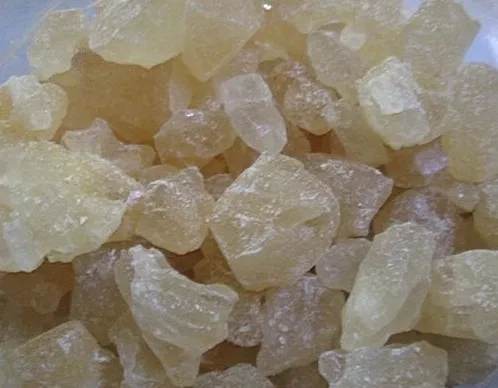
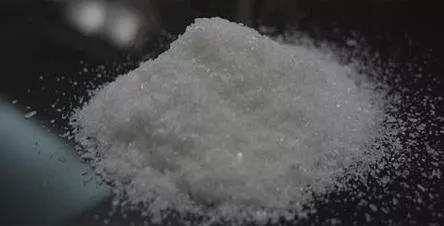
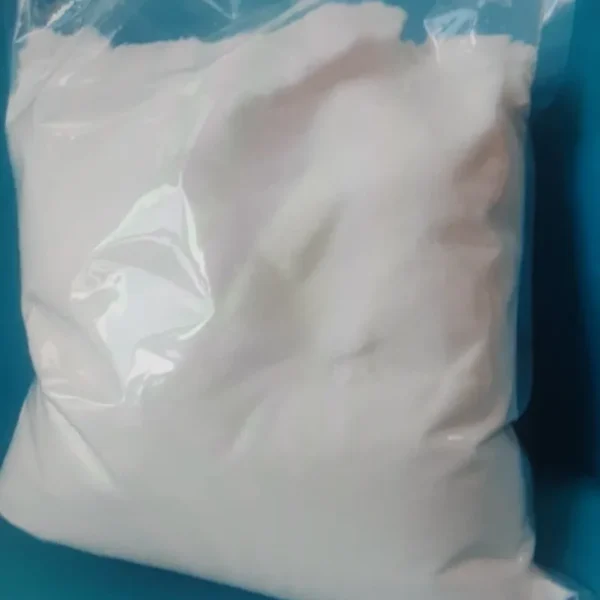
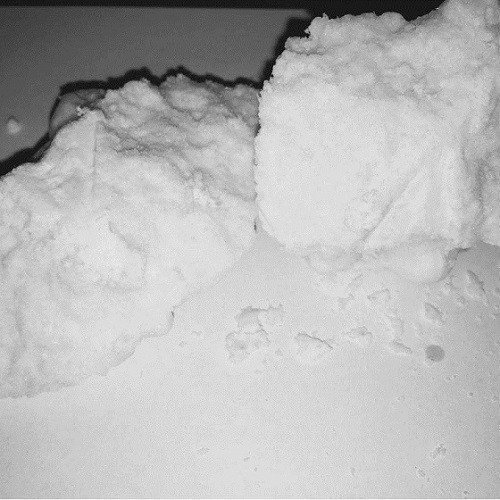
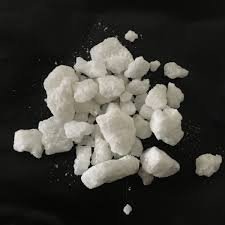
| Appearance | Typically found as a white powder or crystalline solid |
| Melting Point | Approximately 193 °C (as HCl salt) |
| Chemical Class | Substituted cathinone |
Interest in compounds like 3-chlorocathinone crystals has grown across online discussions and research communities. However, understanding what this substance is—and the potential risks associated with it—is essential.
This article provides a clear, factual overview of 3-chlorocathinone, focusing on its chemical background, research context, and safety considerations.
3-Chlorocathinone is a synthetic compound that belongs to the cathinone class, a group of substances structurally related to naturally occurring compounds found in certain plants.
Key points:
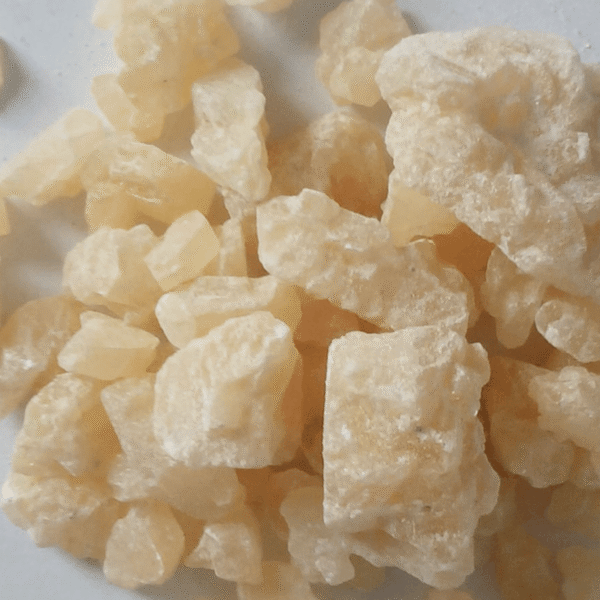
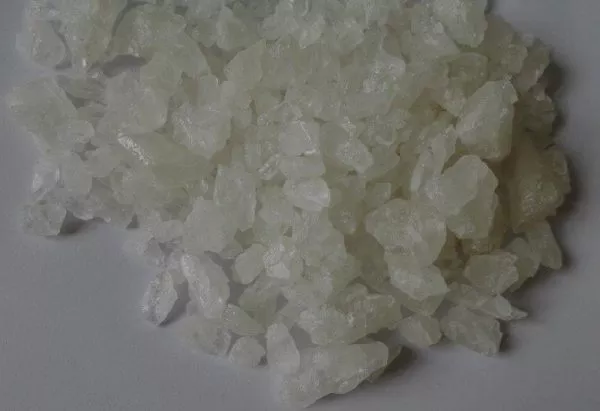
The term “crystals” refers only to its physical form and does not indicate safety or approved usage.
From a chemistry perspective, 3-chlorocathinone includes:
Compounds in this class are often studied for their interaction with neurotransmitters such as:
Mentions of 3-chlorocathinone crystals are typically found in:
These references are scientific or experimental and do not indicate approved consumer use.