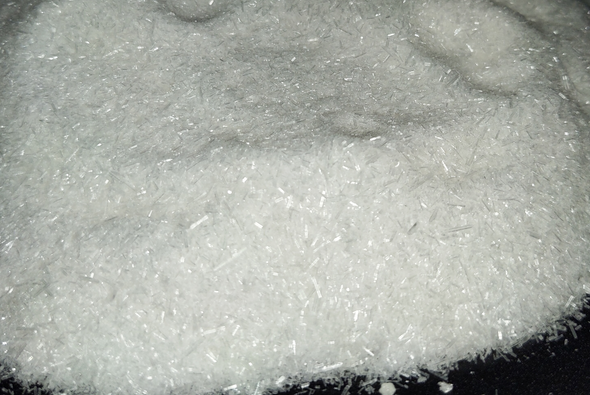
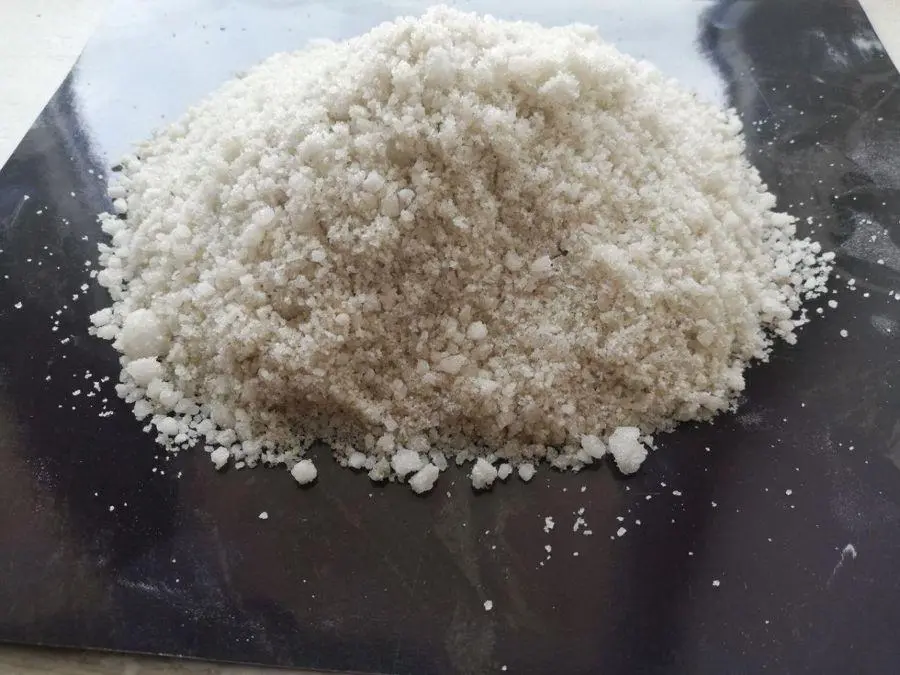
$300.00 – $1,100.00Price range: $300.00 through $1,100.00
Synonym: 3-methoxyeticyclidine
CAS Number: 1364933-80-1
IUPAC: N-ethyl-1-(3-methoxyphenyl)-cyclohexanamine, monohydrochloride
Formula: C15H23NO
Molar mass: 233.355 g/mol
Purity: >97%
Compounds like 3-Hydroxyphencyclidine (3-HO-PCP) crystals are often discussed in research and online communities interested in synthetic substances. While curiosity around these compounds exists, it is essential to understand their scientific background, potential effects, and safety risks.
This article provides a clear, factual overview to help readers stay informed and avoid misinformation.
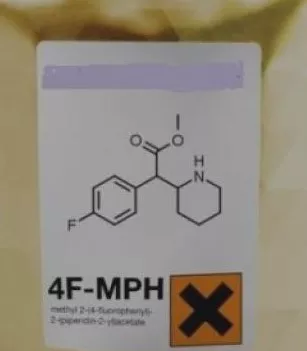
3-Hydroxyphencyclidine (3-HO-PCP) is a synthetic compound structurally related to phencyclidine (PCP). It belongs to a group of chemicals known as arylcyclohexylamines, which have been studied for their effects on the central nervous system.
Key points:
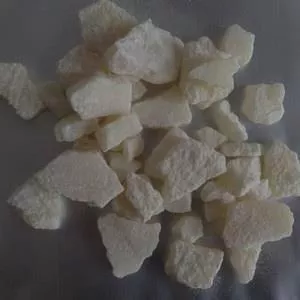
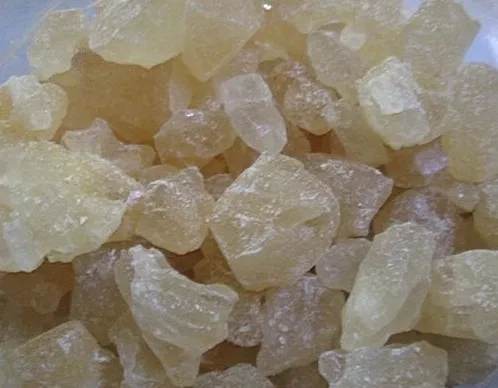
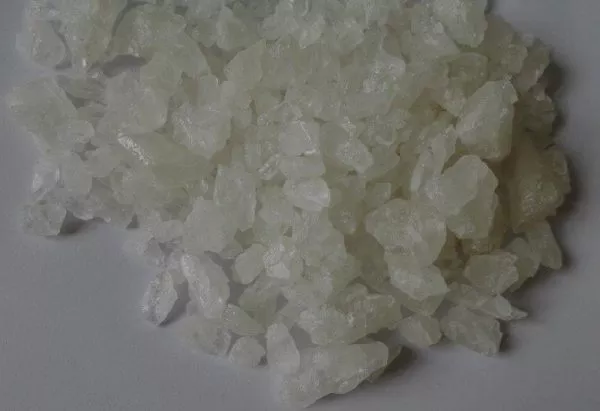
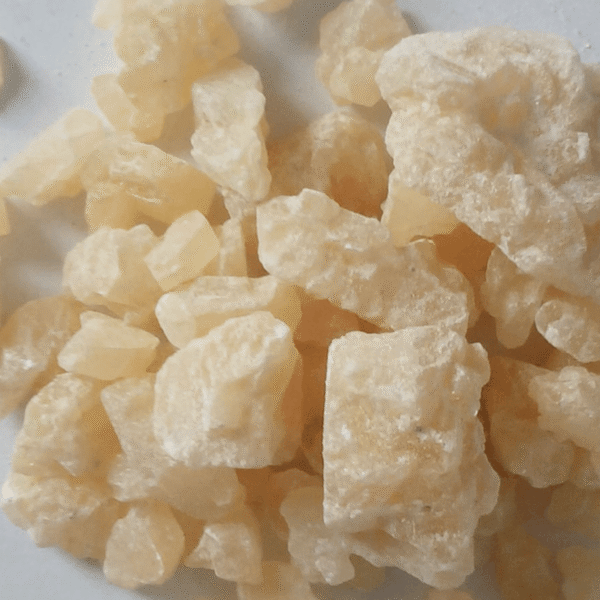
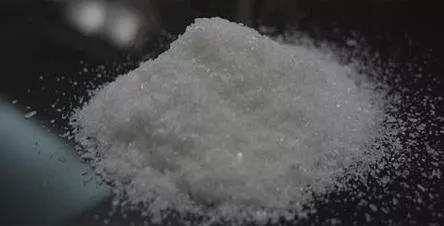
The term “crystals” refers only to its physical form.
From a chemical perspective, 3-HO-PCP includes:
Compounds in this class are often studied for their interaction with NMDA receptors, which are involved in:
Mentions of 3-HO-PCP crystals are typically found in:
These references are scientific or experimental and do not indicate approved consumer use.