$30.00
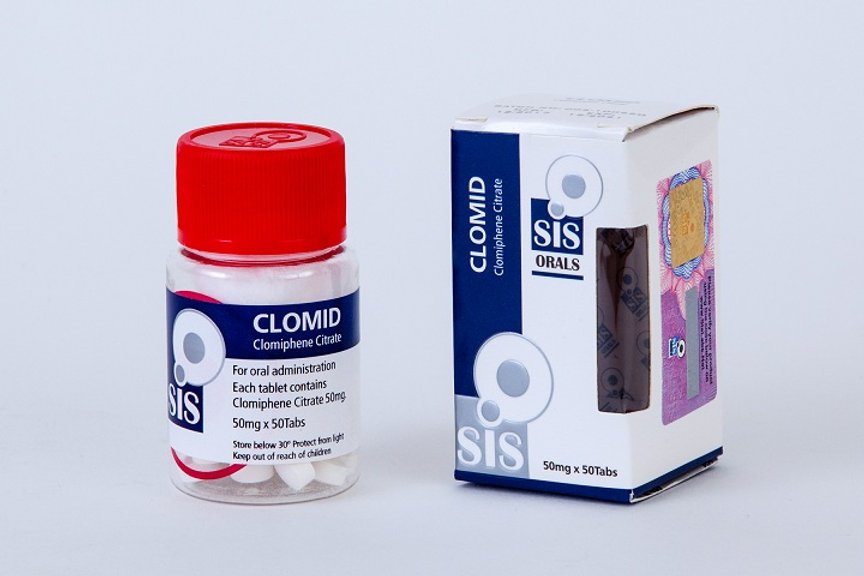
Clomid (generic name: Clomiphene citrate) is a prescription medication commonly used to treat ovulatory dysfunction in women trying to conceive. It belongs to a class of drugs known as selective estrogen receptor modulators (SERMs).
Clomid is widely prescribed as a first-line treatment for certain types of female infertility, particularly in women who do not ovulate regularly.
Clomid stimulates ovulation by:
Blocking estrogen receptors in the brain
Encouraging the release of FSH (Follicle-Stimulating Hormone)
Increasing LH (Luteinizing Hormone) production
Promoting ovarian follicle development
Triggering ovulation
By enhancing the body’s natural hormone signaling, Clomid supports the release of a mature egg during the menstrual cycle.
Clomid is primarily prescribed for women with irregular or absent ovulation.
Often used in women diagnosed with PCOS who experience anovulation.
May be part of combination fertility treatment plans.


When prescribed appropriately, Clomid may:
Stimulate regular ovulation
Increase chances of pregnancy
Support predictable menstrual cycles
Provide a non-invasive fertility treatment option
Serve as an initial step before advanced fertility procedures
Success rates vary depending on age, diagnosis, and overall reproductive health.
Dosage must be determined by a licensed healthcare provider.
Typical Starting Dose:
50 mg daily
Taken for 5 consecutive days
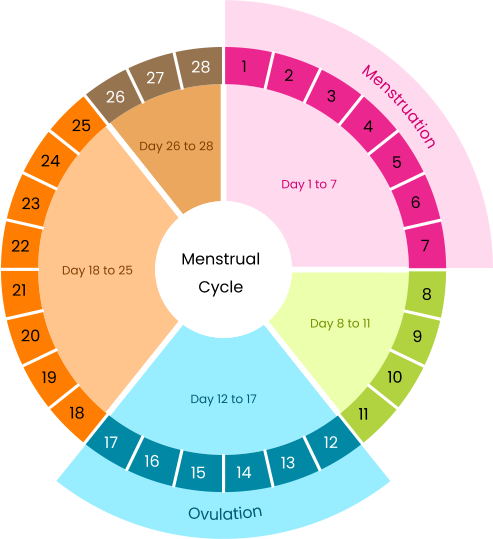
Usually starting on day 3, 4, or 5 of the menstrual cycle
If ovulation does not occur, the dose may be adjusted under medical supervision.
Treatment is generally limited to several cycles to reduce risks and evaluate effectiveness.
While many women tolerate Clomid well, possible side effects include:
Hot flashes
Mood swings
Breast tenderness
Nausea
Headaches
Visual disturbances (rare but serious)
Clomid may also increase the chance of multiple pregnancies (such as twins).
Patients should report any unusual symptoms to their healthcare provider immediately.
Clomid may not be appropriate for individuals with:
Liver disease
Ovarian cysts (not caused by PCOS)
Uncontrolled thyroid or adrenal disorders
Abnormal uterine bleeding of unknown cause
Pregnancy
Always undergo proper evaluation before starting fertility medication.
Clomid is often considered a first-line infertility treatment due to:
Oral administration (non-invasive)
Lower cost compared to injectable fertility drugs
Established safety profile
Decades of clinical use
Ovulation occurs in a significant percentage of properly selected patients, though pregnancy rates depend on multiple factors.
Yes. Clomid is a prescription medication used to stimulate ovulation in women with certain infertility conditions.
Ovulation typically occurs 5–10 days after completing the 5-day course of medication.
Yes, it slightly increases the likelihood of multiple
.
Yes. Clomid is a prescription-only medication in most countries.