
$170.00
| Chemical Formula | C13H16FNO |
| Molar Mass | 221.275 g/mol |
| Purity | 99% |
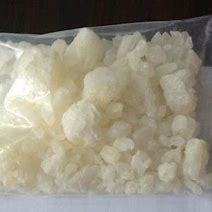
| Appearance | Off-white crystals |
| Solubility | Water-soluble |
| Storage | Room temperature |
| Packaging | Sealed bag |
| Features | High purity, Precise synthesis, Versatile applications, Effective reagent, Customizable options |
Interest in compounds like 2-Fluorodeschloroketamine (2-FDCK) has increased in recent years, particularly in online discussions and research settings. However, understanding what this substance is—and the potential risks involved—is essential for making informed decisions.
This article provides a clear, factual overview of 2-FDCK, including its background, research context, and important safety considerations.
2-Fluorodeschloroketamine (2-FDCK) is a synthetic compound structurally related to ketamine. It belongs to a group of chemicals often referred to as arylcyclohexylamines, which have been studied for their effects on the central nervous system.
Key points:
2-FDCK is chemically similar to ketamine but includes modifications such as:
Compounds in this class are often studied for their effects on NMDA receptors, which are involved in:
Mentions of 2-Fluorodeschloroketamine (2-FDCK) are commonly found in:
These references are scientific or experimental and do not imply approved use.


