
$180.00
Formal Name: 1-(1,3-benzodioxol-5-yl)-2-[(phenylmethyl)amino]-1-propanone, monohydrochloride
CAS Number: 1823274-68-5
Synonyms: BMDP
Molecular Formula: C17H17NO3 • HCl
Formula Weight: 319.8
Purity: ≥99%
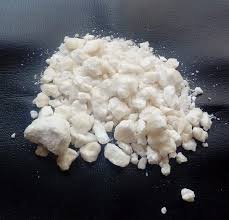
Formulation: A crystalline solid
BMDP crystals are occasionally referenced in niche discussions involving synthetic compounds and emerging research chemicals. Due to limited publicly available data, it’s important to approach this topic with caution, clarity, and evidence-based context.
This article provides a neutral overview of BMDP, focusing on its possible classification, research references, and key safety considerations.
“BMDP” is a label sometimes used in online or research-related contexts to describe a synthetic compound, though standardized scientific identification may vary depending on the source.
Key points:
The term “crystals” refers only to its physical form.
Because “BMDP” is not consistently defined in mainstream scientific literature, its exact chemical structure can vary. However, compounds discussed under similar naming conventions are often:
⚠️ Important:
There is no widely accepted or standardized chemical profile for BMDP in major scientific databases.
Mentions of BMDP crystals are typically found in:
These references are non-clinical and non-therapeutic.
Due to the lack of verified research, there is no reliable data on the effects of BMDP.
Discussions of loosely related compounds may mention:
⚠️ Important:
These are unverified and not clinically established, and no approved uses exist.


