
$120.00
Dibutylone is a synthetic compound often mentioned in forensic and public health discussions involving stimulant-type substances. Due to limited clinical data and potential risks, understanding its background and safety concerns is essential.
This article provides a clear, factual overview of dibutylone, including its chemical profile, research context, and safety considerations.
Dibutylone is a synthetic cathinone-related compound, structurally similar to other substances in the β-keto phenethylamine class.
Key points:
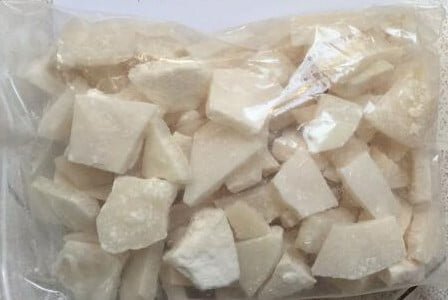
It is sometimes referenced in powder or crystalline forms, which describe physical appearance only.
From a chemistry perspective, dibutylone belongs to the cathinone derivative family, often studied for its interaction with brain neurotransmitters.
Compounds in this class may influence:
These interactions can affect mood, energy levels, and central nervous system activity.
Mentions of dibutylone are typically found in:
These references are investigative and safety-focused, not therapeutic.


