
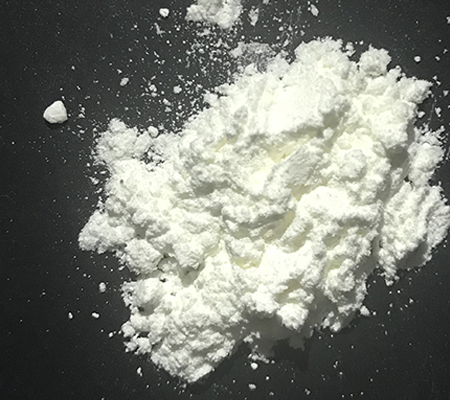
$800.00
| Molecular Weight | 100.11 g/mol Grams (g) |
| Melting Point | 183AdegC to 185AdegC |
| Refractive Rate | 1.597 |
| Solubility | Water Soluble |
| Shelf Life | 1 Years |
| Appearance | As per your requirement |
| Storage | Room Temperature |
| Ph Level | Neutral to slightly acidic (5-7) |
| Application | Industrial |
| Taste | Bitter |
| Physical Form | Powder |
| Poisonous | NO |
| Product Type | Chemical Compound |
| Smell | Stimulus |
Diclazepam powder is a substance often mentioned in discussions about benzodiazepine-related compounds. Because these compounds can significantly affect the central nervous system, it’s important to understand what diclazepam is—and the risks associated with it.
This article provides a clear, factual overview of diclazepam, focusing on its chemical background, research context, and safety considerations.
Diclazepam (also known as chlorodiazepam) is a synthetic benzodiazepine analog, structurally related to medications used for anxiety and sleep disorders—but it is not approved for medical use.
Key points:
The term “powder” refers to its physical form.
From a chemistry perspective, diclazepam belongs to the benzodiazepine class, which interacts with the GABA-A receptors in the brain.
Compounds in this class are associated with:
Mentions of diclazepam powder are commonly found in:
These contexts are investigative and safety-focused, not therapeutic.


