
$190.00
CAS: 8492312-32-2
Formula: C14H19NO3
Molecular weight: 249.310
Compound purity: > 99.7%
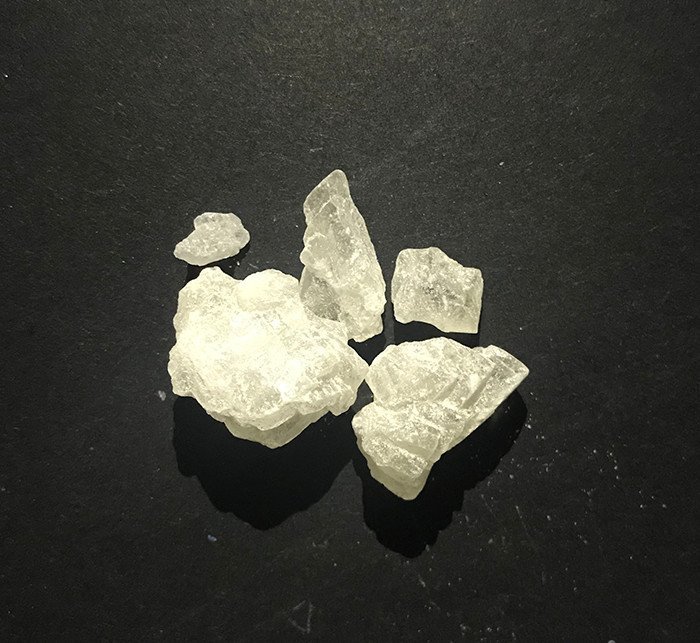
Appearance: Crystals
Synonyms: bkedbp, Ephylone, BK-Ethyl-K, BK-EBDP
EBK (EB-CANQ)
EBK (EB-CANQ) is a term occasionally encountered in niche discussions of synthetic or emerging compounds. Because naming conventions are not always standardized and reliable data may be limited, it’s important to approach this topic with clarity, caution, and evidence-based context.
This article provides an objective overview of EBK (EB-CANQ), focusing on its possible classification, research references, and key safety considerations.
“EBK (EB-CANQ)” does not correspond to a widely standardized chemical name in major scientific literature. It is typically used in informal or research-related contexts to describe a synthetic or experimental compound.
Key points:
Due to inconsistent naming, the exact structure of EBK (EB-CANQ) is not clearly defined. However, compounds referenced under similar labels are often:
⚠️ Important:
There is no widely accepted chemical profile for EBK (EB-CANQ).
Mentions of EBK (EB-CANQ) are typically found in:
These references are non-clinical and not related to approved medical use.


