$250.00

IUCPA Name2-(3,4,5-trimethoxyphenyl)ethanamine
Synonyms3,4,5-Trimethoxyphenethylamine
Case No.54-04-6
ECHA100,000,174
SMILES
InChI
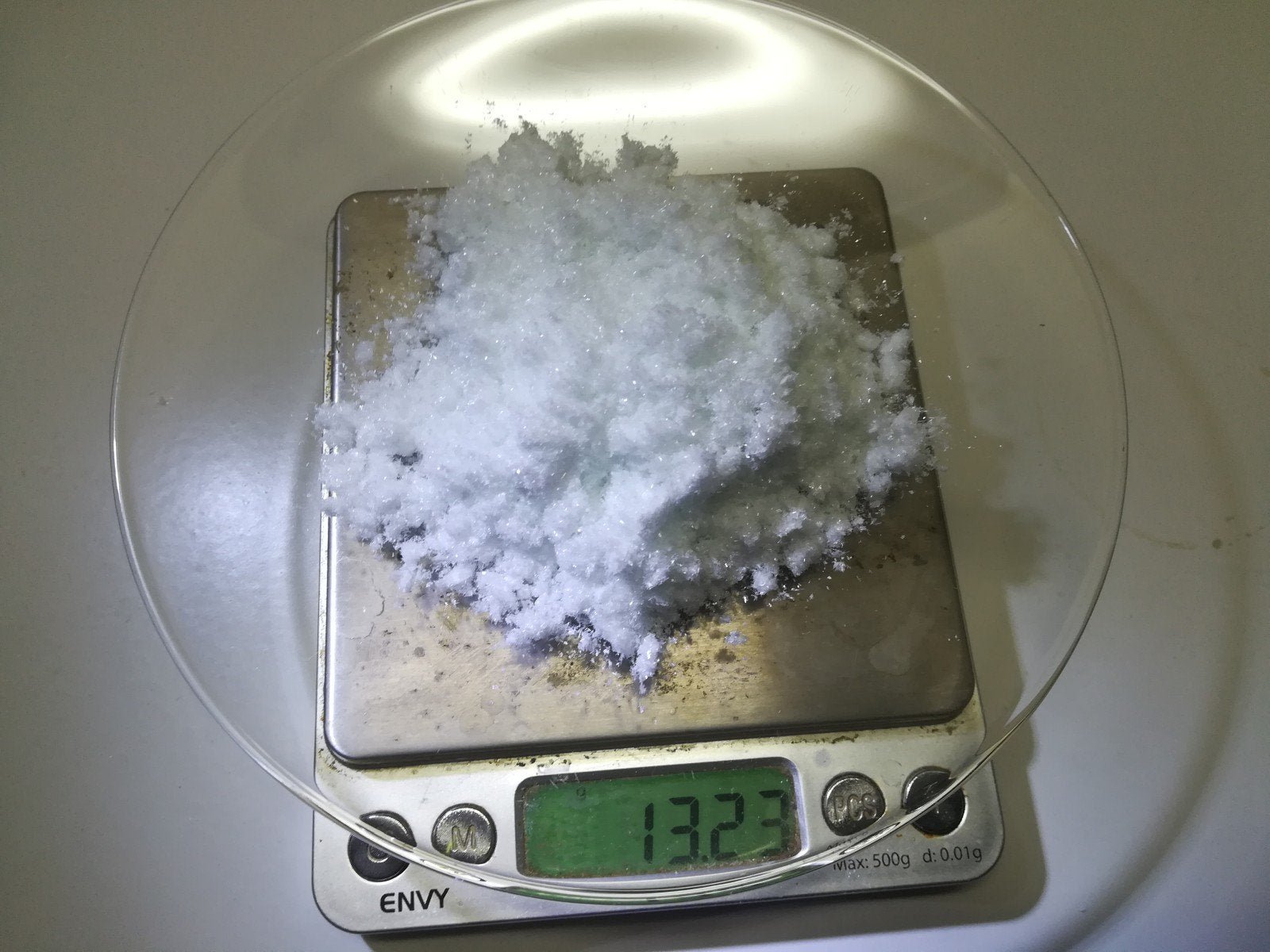
Appearancewhite powder

    Mescaline Sulfate

Mescaline sulfate is a salt form of mescaline, a naturally occurring psychedelic compound found in certain cacti such as Peyote and San Pedro cactus. Mescaline is known for its psychoactive properties and has been used historically in cultural and ceremonial contexts. It is not approved for general medical use and is regulated or prohibited in many jurisdictions.


Chemical Classification

  • Active compound: Mescaline (sulfate form)
  • Class: Phenethylamine
  • Category: Psychedelic compound
  • Status: Not approved for therapeutic use

Mechanism of Action (General)

Mescaline primarily interacts with serotonin (5-HT) receptors, particularly 5-HT2A receptors, which can:

  • Alter perception and sensory processing
  • Influence mood and cognition
  • Produce changes in awareness and thought patterns

Reported Effects (Non-Clinical Observations)

Effects vary widely depending on individual factors and context, and may include:

  • Visual and sensory alterations
  • Changes in perception of time and space
  • Enhanced introspection or emotional responses

Because effects are unpredictable, experiences can differ significantly between individuals.


Risks and Adverse Effects

  • Anxiety, panic, or distressing psychological experiences
  • Nausea or gastrointestinal discomfort
  • Increased heart rate and blood pressure
  • Confusion or impaired judgment
  • Potential for accidents or risky behavior

There is limited clinical data on long-term safety.


Warnings and Precautions

  • Not approved for routine medical use
  • Individuals with mental health or cardiovascular conditions may face increased risks
  • Combining with other substances can increase adverse effects
  • Lack of standardized dosing increases unpredictability

Legal and Regulatory Status

Mescaline and its salts are controlled substances in many countries. Possession, distribution, or synthesis outside permitted contexts may be illegal.


Quality and Authenticity Considerations

  • Unregulated substances may be misidentified or contaminated
  • Purity and potency are often unknown outside controlled laboratory environments

Public Health Considerations

  • Risk of psychological distress or unsafe behavior
  • Importance of awareness regarding legal status and health risks
  • Limited evidence base compared to approved medications