$35.00
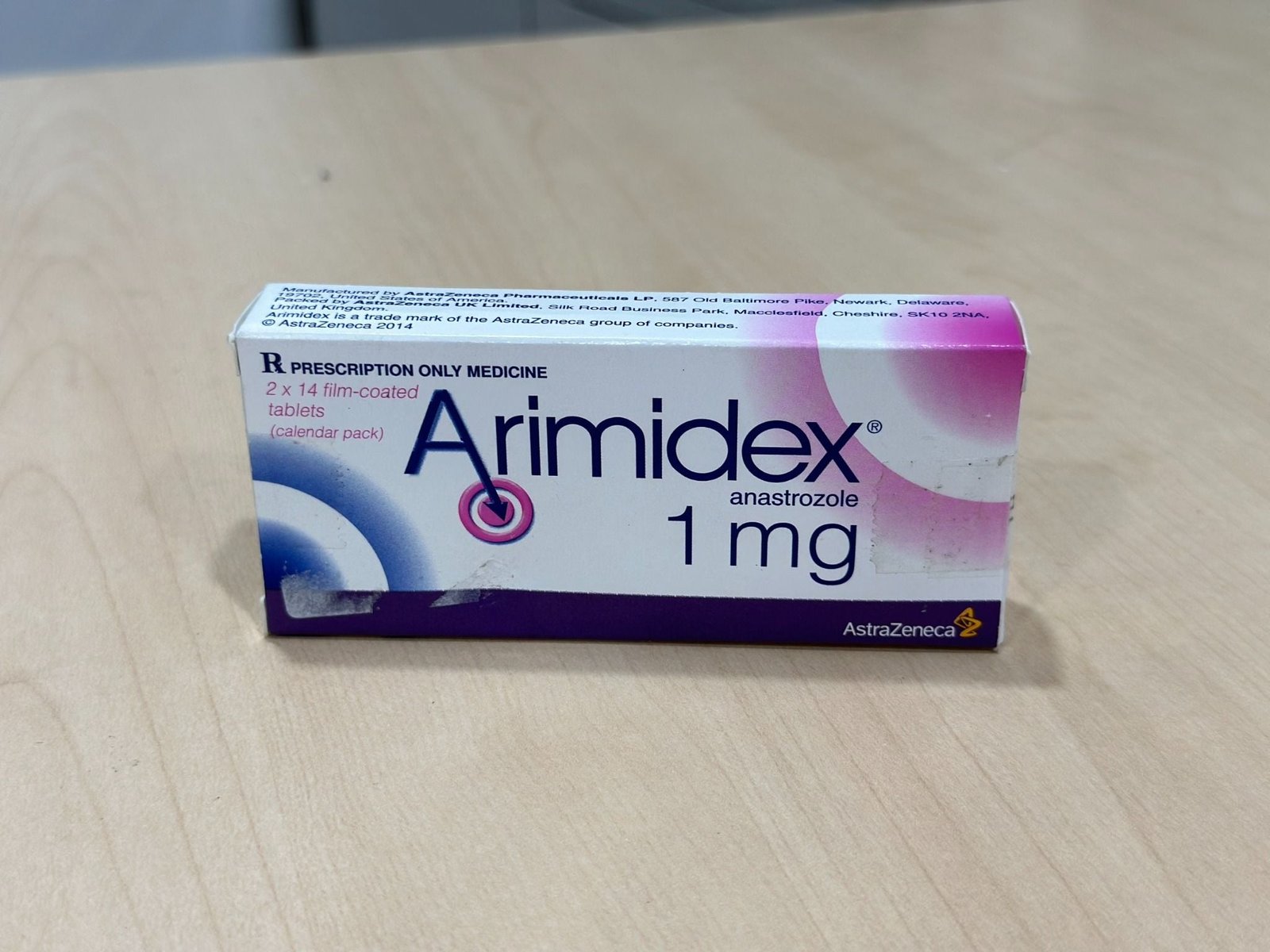
Arimidex (generic name: Anastrozole) is classified as an aromatase inhibitor. It is primarily used to treat hormone receptor–positive breast cancer in postmenopausal women.
Arimidex works by lowering estrogen levels in the body, which can help slow or stop the growth of certain types of breast cancer cells that rely on estrogen.
Anastrozole blocks the aromatase enzyme, which converts androgens into estrogen. By inhibiting this enzyme, Arimidex:
Reduces circulating estrogen levels
Slows estrogen-dependent tumor growth
Helps lower the risk of recurrence
Supports long-term hormone therapy management
This targeted approach makes it a key component in endocrine therapy strategies.
Often prescribed after surgery to reduce recurrence risk.
Used when cancer has spread or progressed.
Commonly taken for several years as part of long-term treatment planning.
When prescribed appropriately, Arimidex may:
Lower estrogen levels effectively
Reduce the risk of cancer recurrence
Improve long-term survival outcomes
Offer once-daily oral dosing convenience
Serve as an alternative to other hormone therapies
Treatment duration often ranges from 5 to 10 years, depending on individual medical recommendations.
Dosage should always be determined by a healthcare professional.
Typical Dosage:
1 mg tablet
Taken once daily
With or without food
Consistency in daily dosing is important for maintaining therapeutic estrogen suppression.
Like all medications, Arimidex may cause side effects, including:
Joint or muscle pain
Hot flashes
Weakness or fatigue
Nausea
Headaches
Bone thinning (osteoporosis risk)
Long-term therapy may require bone density monitoring to reduce fracture risk.
Patients should report any unusual or severe symptoms to their healthcare provider promptly.
Arimidex may not be suitable for:
Premenopausal women (unless specifically directed by a specialist)
Pregnant or breastfeeding individuals
Patients with severe liver impairment
Individuals with known hypersensitivity to anastrozole
A full medical evaluation is required before initiating therapy.
Arimidex differs from selective estrogen receptor modulators (SERMs) because it reduces estrogen production rather than blocking estrogen receptors.
Treatment decisions depend on:
Menopausal status
Cancer stage
Hormone receptor profile
Patient medical history
An oncologist will determine the most appropriate therapy plan.
No. Arimidex is a hormone therapy medication, not chemotherapy.
Treatment typically lasts between 5 and 10 years depending on medical advice.
Yes. Arimidex is a prescription-only medication.
Yes. It works by blocking the aromatase enzyme, reducing estrogen production.